
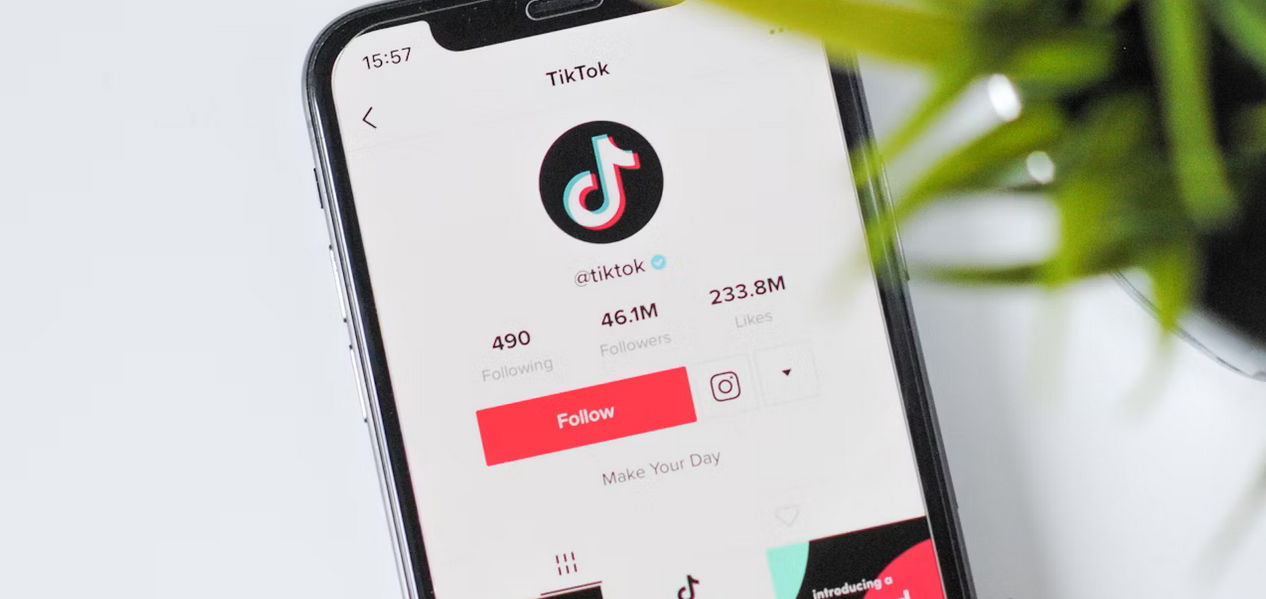
How Social Media Detects Artificial Follower Activity
Social media platforms have evolved into powerful ecosystems where follower numbers play a crucial role in credibility and influence. However, as more users seek shortcuts to rapid growth, platforms have also developed advanced systems to identify and flag suspicious activity. Tactics like bots, fake accounts, and even guides on how to buy TikTok followers may temporarily inflate numbers but often trigger detection mechanisms designed to protect authenticity. These algorithms analyze engagement patterns, account behavior, and interaction quality to separate genuine activity from artificial boosts. With the rise of stricter monitoring, understanding detection methods is essential for anyone aiming to maintain a credible online presence.
Behavioral Signals and Activity Patterns
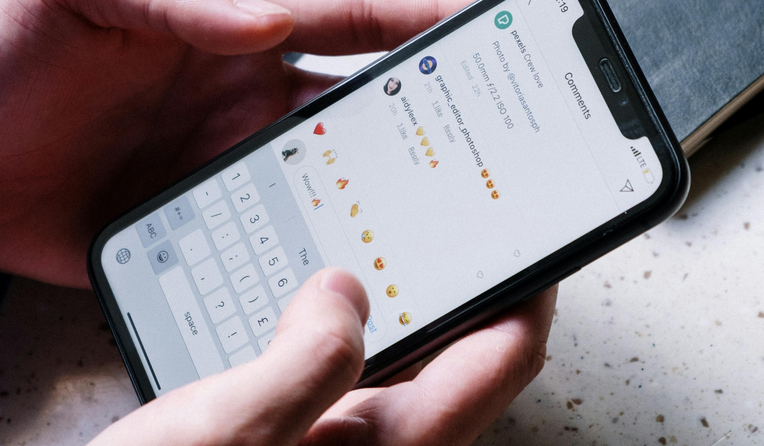
One of the easiest giveaways is how accounts behave. Genuine users interact in varied ways: they like, comment thoughtfully, pause between sessions, and follow accounts that match their interests. Artificial accounts, by contrast, often perform repetitive actions at scale — mass-following, liking dozens of posts within seconds, or leaving generic comments that don’t fit the content. Platforms model these patterns over time and flag accounts whose activity deviates strongly from normal ranges. Spike detection is a classic red flag. The goal here is to separate human rhythm from robotic march, and platforms are pretty good at spotting the drumbeat.
Network and Graph Analysis
Social networks are graphs, and graph theory gives platforms powerful tools to find inauthentic clusters. When many new followers share odd connections, like originating from the same small set of accounts, or forming dense webs that mainly link to each other, that structure looks suspicious. Platforms run community-detection algorithms and look for botnets: tightly connected groups that amplify one another artificially. They also check follower overlap: if multiple influencers receive the same sudden follower pack, that pattern suggests a purchased boost. In short, it’s not just who follows you, but how those followers connect to the wider network.
Device, Metadata, and Machine Learning Signals

Beneath visible actions lie technical breadcrumbs: IP addresses, device fingerprints, account creation timestamps, and API call patterns. Multiple accounts created from the same IP range, identical device signatures, or scripted API usage are strong indicators of automation. Modern platforms combine these signals into machine learning models that score the likelihood that an account is artificial. Models continuously learn from confirmed cases and human reviews, improving detection over time. Privacy safeguards and false-positive risks mean platforms balance aggressiveness with caution, but the metadata layer remains one of the most effective ways to separate organic users from scripted actors.
Detecting artificial follower activity is a layered process that combines behavioral analysis, graph intelligence, device-level signals, machine learning, and human judgment. Platforms look for patterns and technical anomalies that distinguish genuine engagement from manufactured numbers, then apply enforcement that can affect reach and reputation. For anyone serious about growth, the takeaway is simple: Keep it authentic, and the platforms will reward that with the kind of visibility that lasts.…

 At the heart of continuous integration lies a set of guiding principles designed to enhance collaboration and maintain code quality. Understanding these fundamentals is crucial for any software engineer. First, focus on regular code commits. By integrating changes frequently, teams can identify issues early in the development cycle. This approach minimizes conflicts that often arise from late-stage merges. Next, automate your builds.
 If you decide to look for the right movie, one of the factors you need to consider is the audience. For example, if you choose a family-friendly film, you need to ask your family members the kind of film they want to watch.


 The easiest way to fix